filled with gratitude
for poetry companions
sharing our haiku

Your Custom Text Here

filled with gratitude
for poetry companions
sharing our haiku
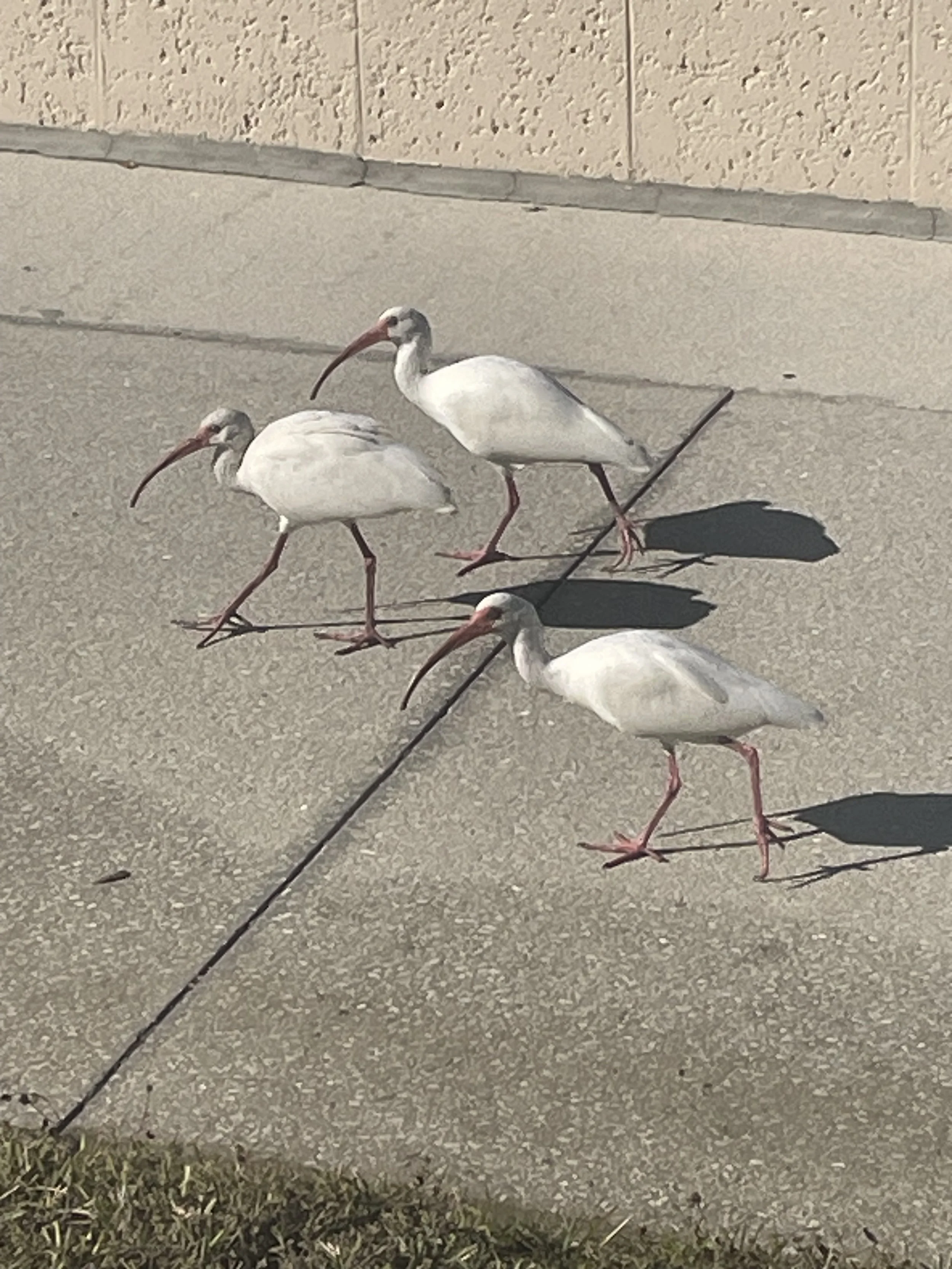
snow birds on the move
avians like us humans
seek warmth and sunshine
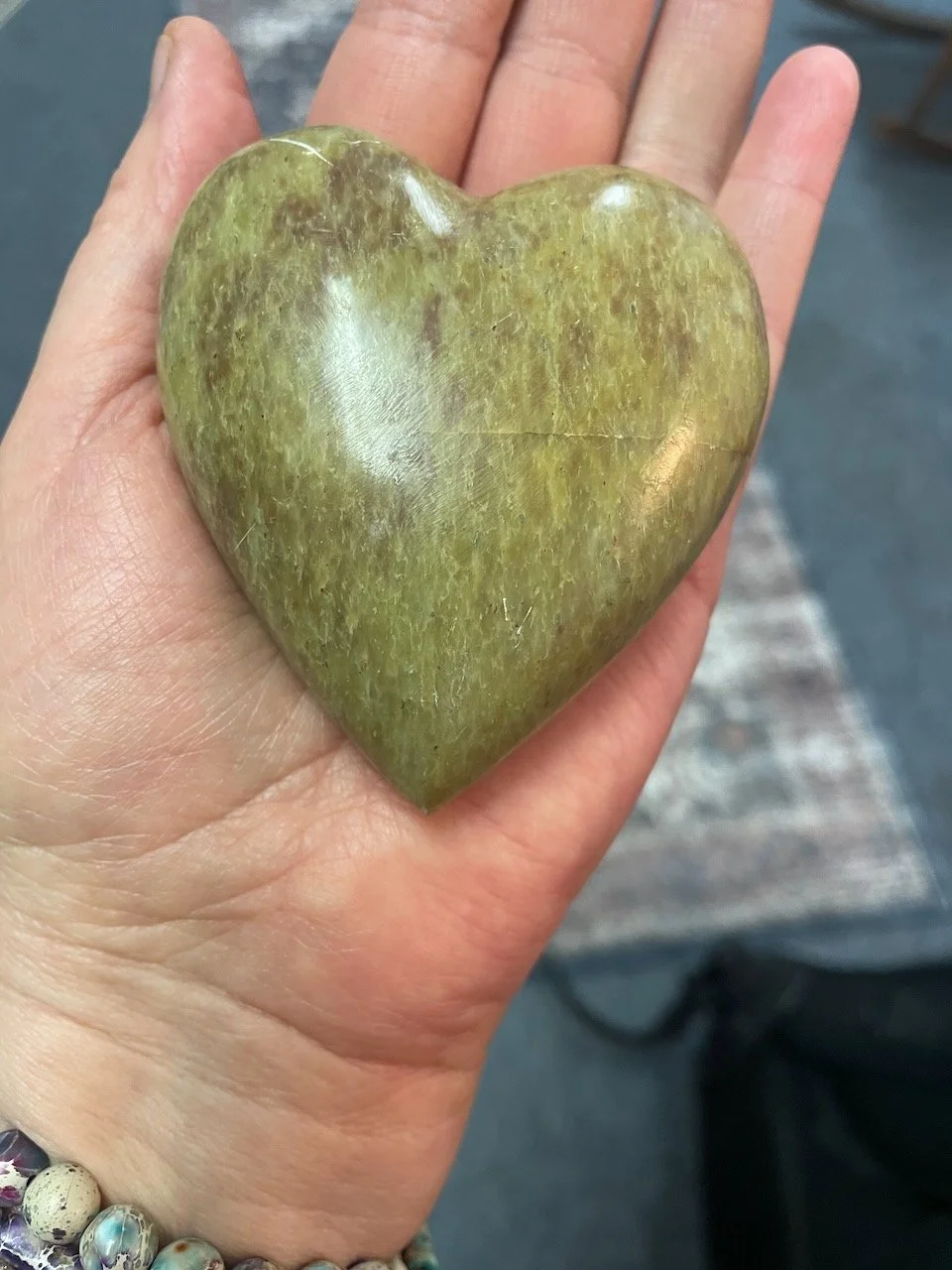
sharing compassion
feeling warmth in the heart stone
temperature changes

decadent frosting
too beautiful to devour
a feast for the eyes

whiff of sweet citrus
my aromatherapy
on kitchen counter

morning ritual
awakening the senses
smell, sight, sound, taste, touch

lofty intentions —
try setting the bar lower
to meet with success
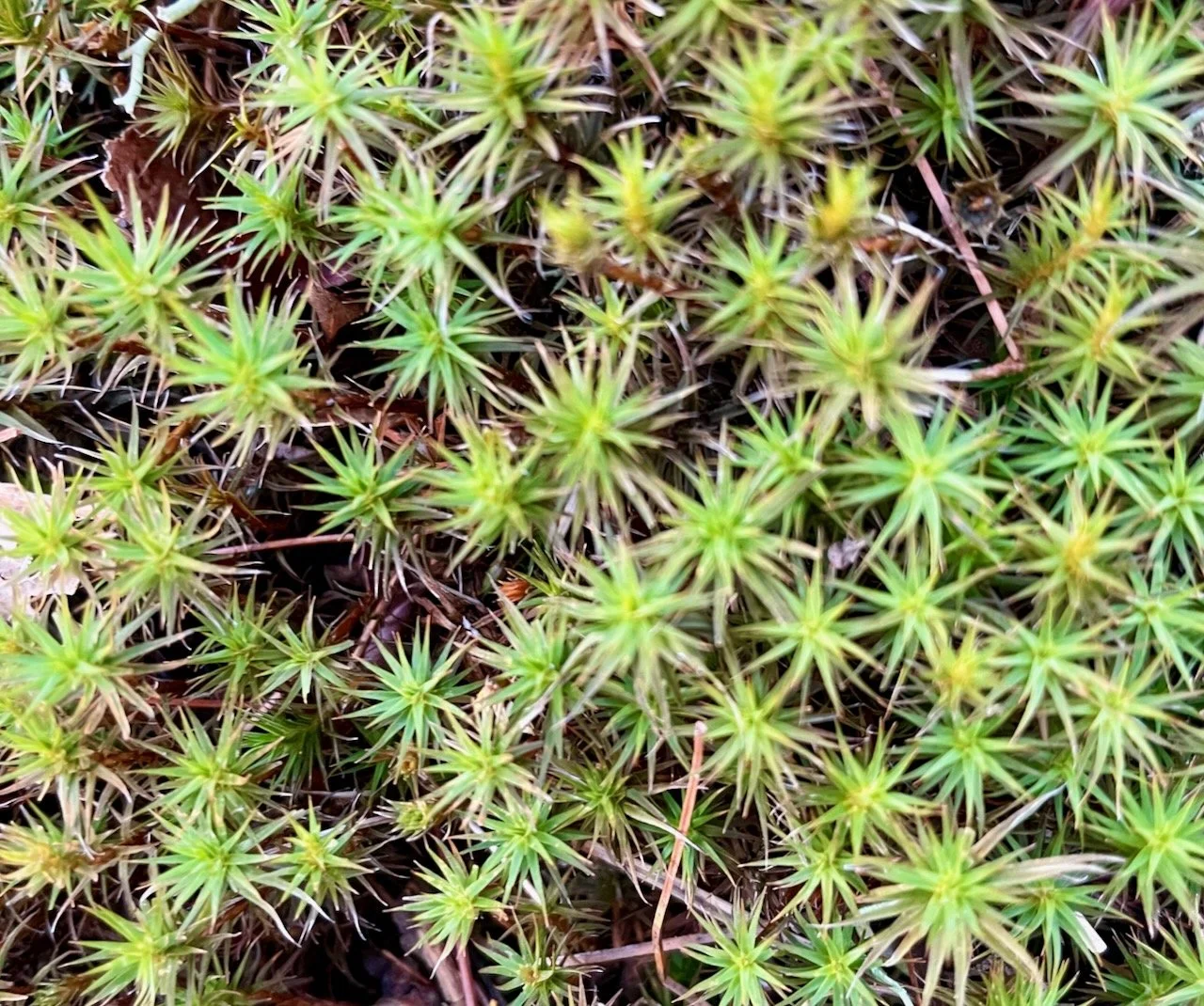
bright winter colors
exploding beneath my feet —
a carpet of stars
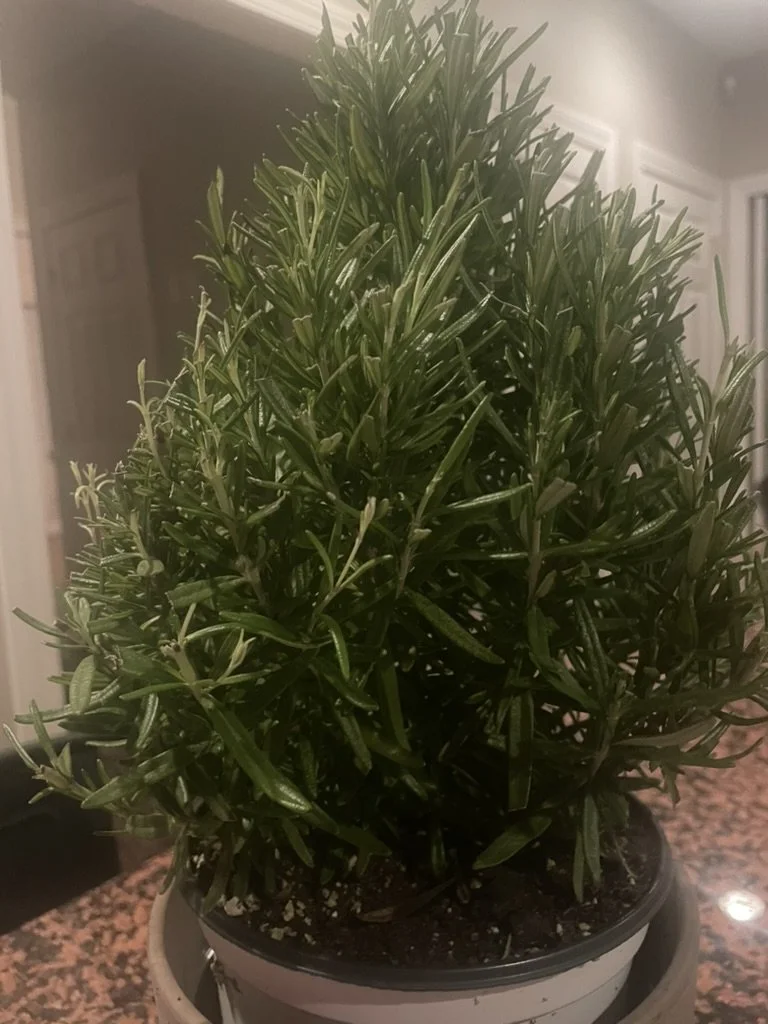
kitchen companion
rosemary for remembrance—
tastes like summertime
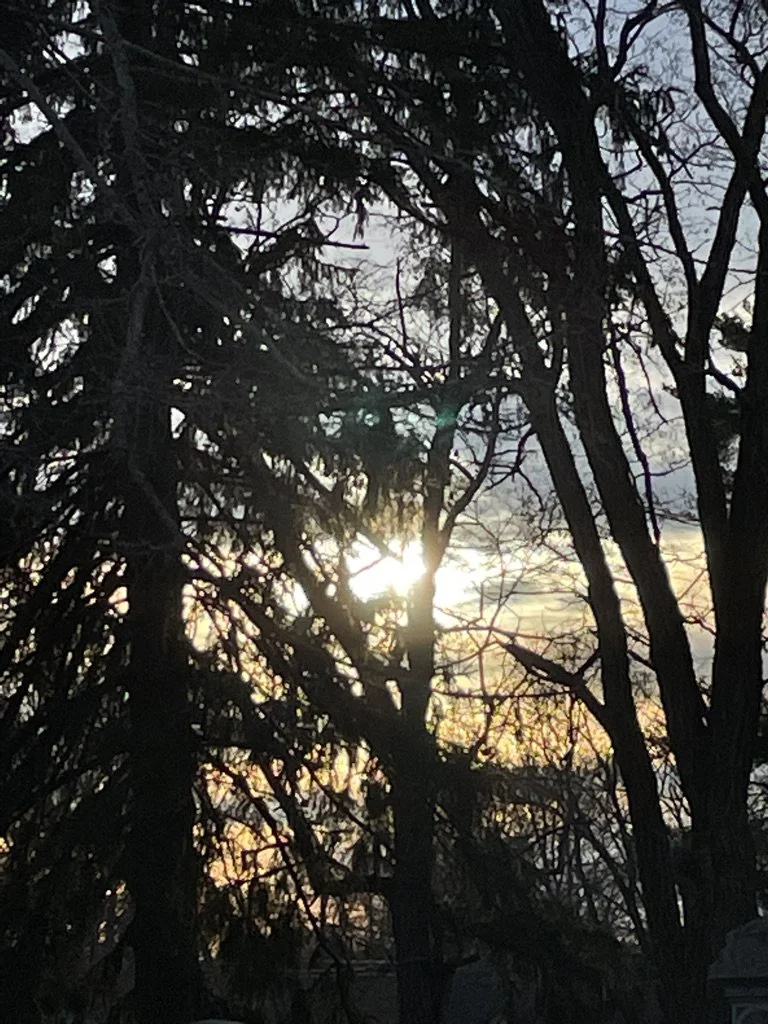
watercolor sky
making a brief appearance
before final bow

a tangle of glass
beauty in its contortions
bending not breaking
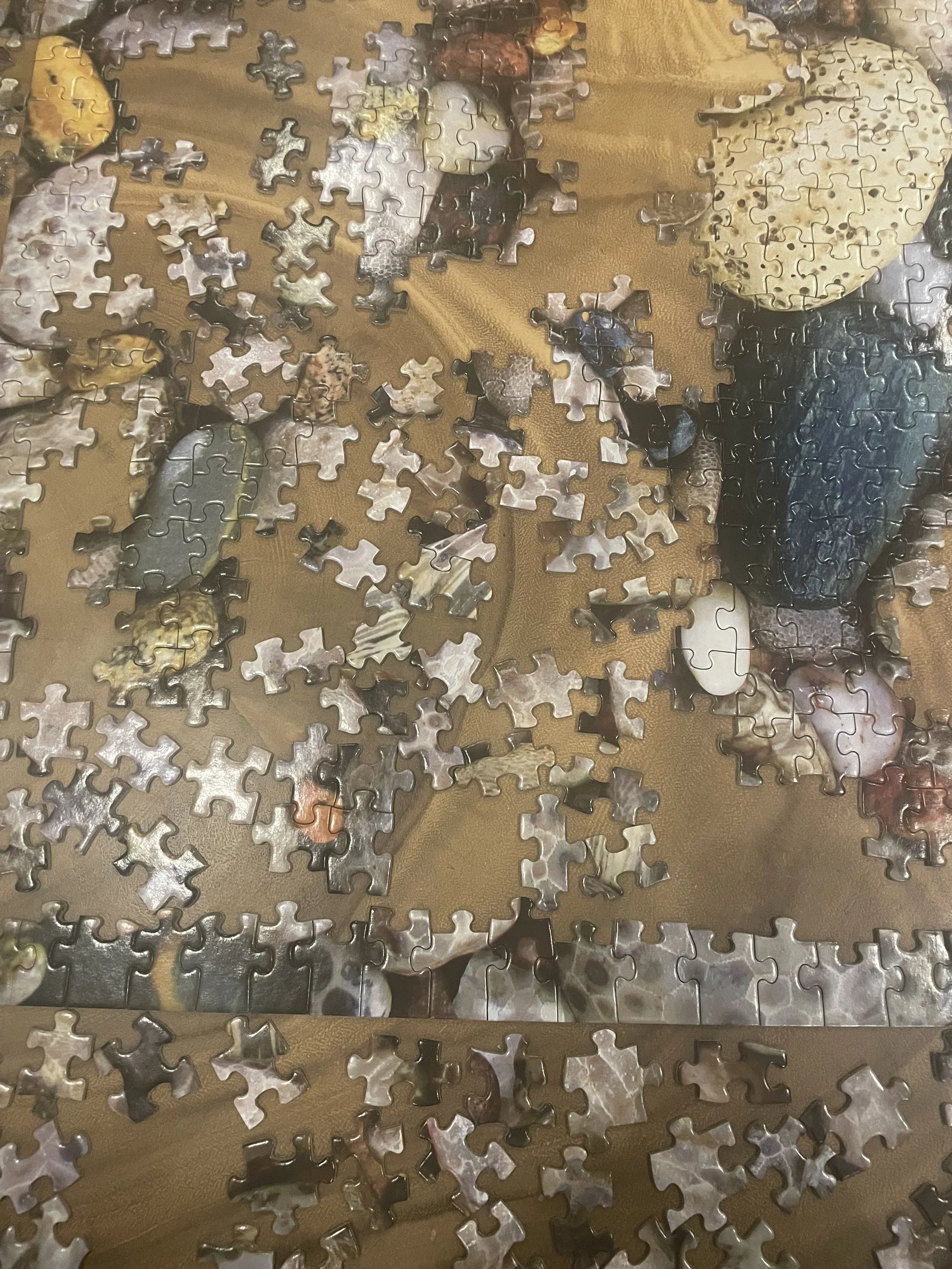
trial and error
order out of chaos
picture emerges
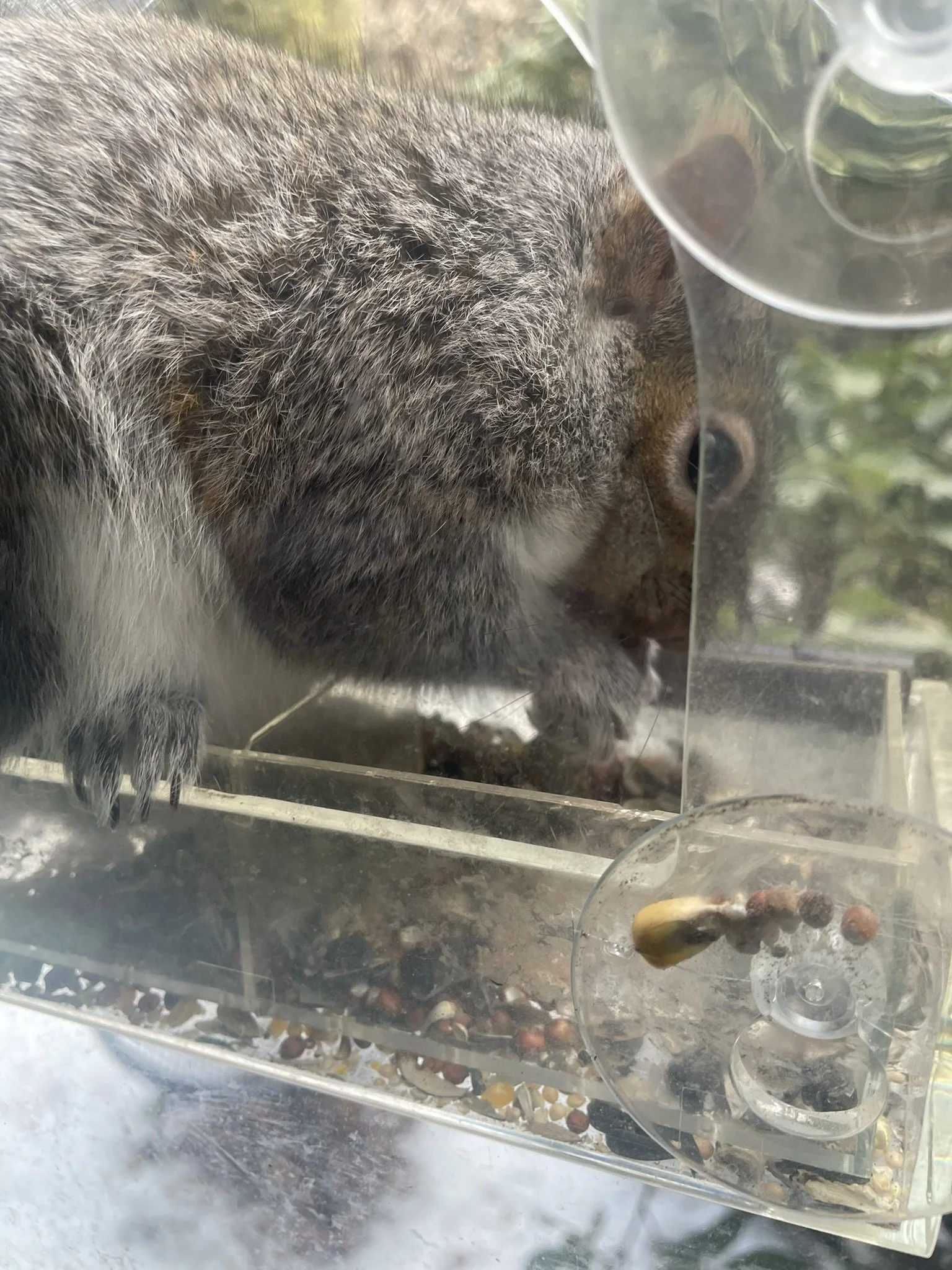
breakfast visitor
commanding an audience
amidst the birdseed
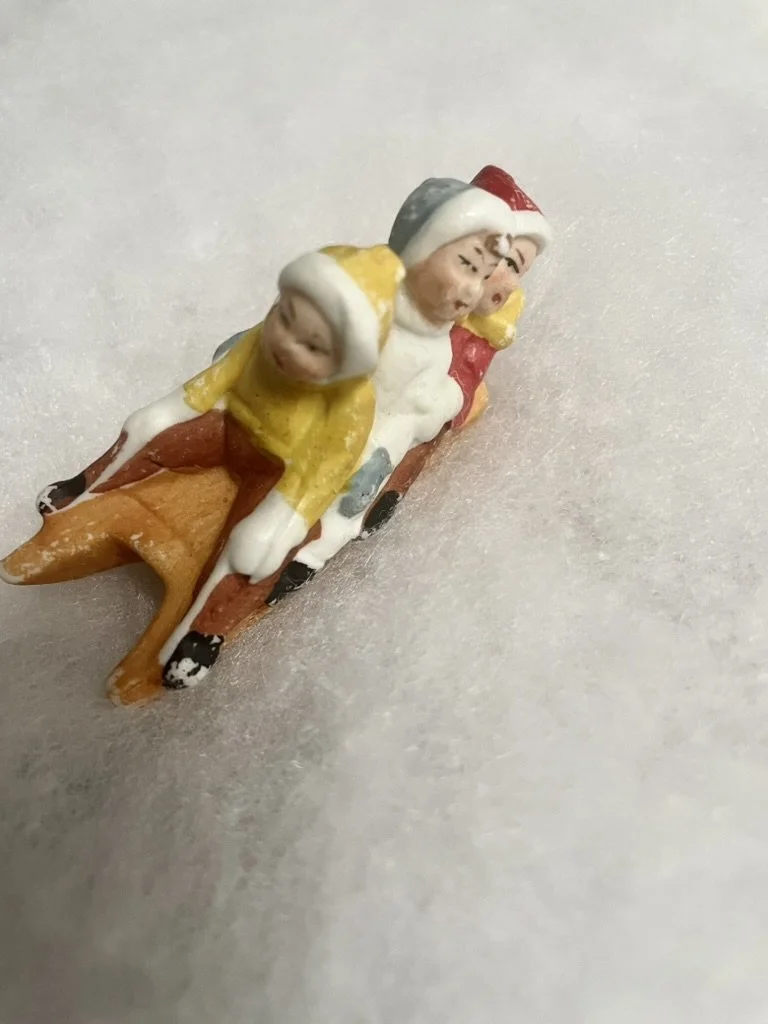
packing up Christmas —
years and years of memories
in a cardboard box
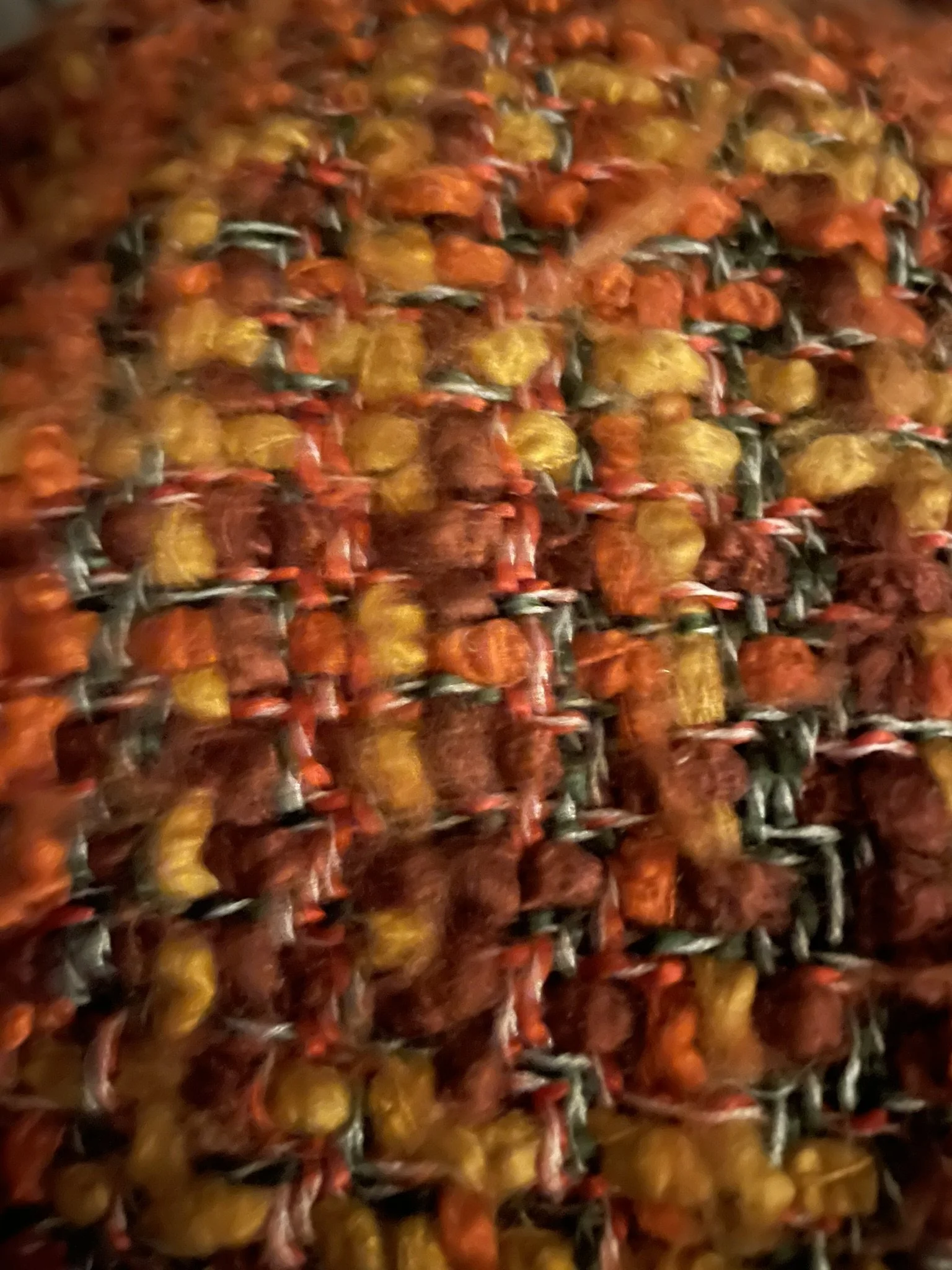
hues of a campfire
wrap me in comfort and warmth —
winter wind howls
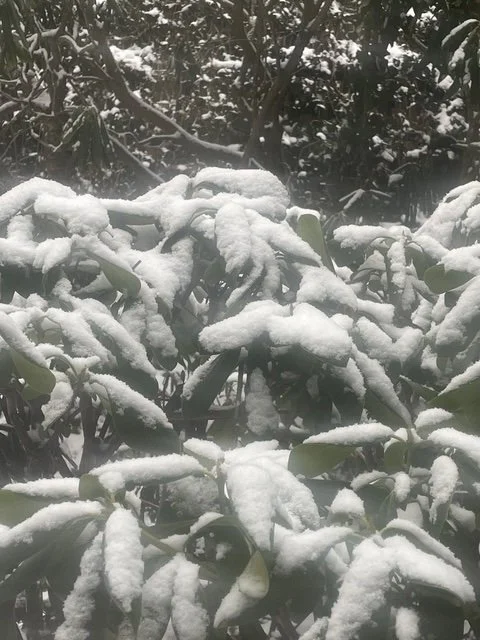
soft pillows of snow
protect us from hard edges —
the landscape whispers
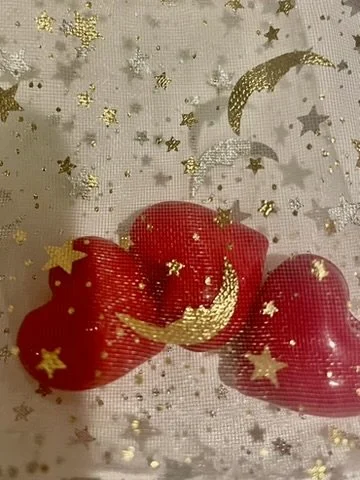
stardust and moonbeams
help to welcome a new year —
anticipation

January arrives softly, asking less of us than we imagine.
After the noise of the holidays and the weight of expectation that often shadows a new year, many of us find ourselves craving something simpler—something that steadies rather than demands. Enter #HaikuChallenge26: a quiet, collective practice of writing one haiku a day throughout January.
At first glance, it looks like a creative exercise. In practice, it becomes a form of mindfulness—brief, accessible, and surprisingly grounding.
Haiku slows us down just enough to notice. The pale light of a winter morning. The hush between breaths. The sound of heat clicking on. In a season that often urges reinvention and resolve, haiku invites presence instead. It reminds us that the New Year doesn’t need to be conquered; it can be witnessed.
From a stress-regulation perspective, this matters. Attention shapes the nervous system. When we pause to observe without judgment, we send subtle signals of safety. A daily haiku becomes a small ritual of regulation—a moment to land in the body and senses before moving on with the day.
What makes #HaikuChallenge26 especially supportive is its rhythm. One poem is fleeting. Thirty-one days of noticing begins to reorient how we move through time. We start to see January not as something to endure, but as something textured and alive. Ordinary moments gain contour. Quiet becomes companionable.
There is also relief in haiku’s restraint. No long reflections. No fixing. No pressure to explain. Just a few lines that say: this is what I noticed today. In that simplicity, many people find permission to begin again—each morning, each poem, each breath.
For anyone carrying stress, uncertainty, or a tender start to the year, a January haiku-a-day practice can serve as an anchor. Five minutes. A handful of words. A place to rest attention before the day unfolds.
As the year opens, #HaikuChallenge26 offers a gentle alternative to resolution-making. Notice. Write. Release. Let January meet you exactly where you are—one quiet moment, one small poem at a time.

traded snow for sand/
grateful to recalibrate/
now time to return

one tile at a time
shifting the rows and columns
patterns now emerge